Criminal Proceedings in Iraqi Law: A Comprehensive Guide The criminal lawsuit is considered the most vital legal tool through which the Iraqi legislator protects the security and stability of society. It serves as the official mechanism for initiating prosecution against anyone who dares to breach public order or infringe upon the rights of individuals and property. The regulation of these lawsuits is closely linked to Iraqi Penal Code No. 111 of 1969 (which defines crimes and penalties) and the Criminal Procedure Code No. 23 of 1971 (which regulates litigation and investigation procedures).
- The Legal Concept of a Criminal Lawsuit in Iraq A criminal lawsuit is the set of legal procedures that begin from the moment a crime is committed (whether it is a felony, misdemeanor, or infraction) until a final judgment is issued and executed. The primary objective of this lawsuit is to protect public right (society) while simultaneously safeguarding the private right of the injured party (the victim). Under the Iraqi Penal Code No. 111 of 1969, the severity of crimes is classified based on prescribed penalties into: Felonies (الجنايات): Crimes punishable by death, life imprisonment, or temporary imprisonment ranging from more than 5 years up to 15 years. Misdemeanors (الجنح): Crimes punishable by severe or simple imprisonment for more than 3 months up to 5 years, or a fine. Infractions (المخالفات): Crimes punishable by short-term imprisonment (not exceeding 3 months) or a minor fine.
- How is a Criminal Lawsuit Initiated? (General Rule and Exceptions) According to the Iraqi judicial system, initiating a criminal lawsuit follows two main pathways: A. Automatic Initiation (Crimes Initiated Without a Complaint) As a general rule for public crimes, the Public Prosecution and judicial enforcement authorities (police) undertake the initiation of a criminal lawsuit as soon as they become aware of a crime, without requiring a request or complaint from a specific person, given that the crime affects the core and security of society (such as murder, major theft, and drug crimes). B. Crimes Requiring a Complaint, Authorization, or Request As an exception to the general rule, the Iraqi legislator restricted certain crimes where a criminal lawsuit cannot be initiated except through a written or verbal complaint by the victim or their legal representative, in order to preserve family ties or the confidentiality of the dispute. These include:
- Private Complaint Crimes: Such as marital infidelity, defamation (slander and insult), breach of secrets, and theft or breach of trust between ascendants, descendants, and spouses. The law requires the complaint to be filed within three months from the date the victim became aware of the crime.
- Crimes Requiring Special Authorization: Such as crimes committed by public servants or individuals enjoying immunity (such as judges, members of parliament, or security personnel in specific cases), which require the authorization of the competent authority prior to initiating the lawsuit.
- Stages of Criminal Proceedings in Iraqi Law Criminal lawsuits proceed through precise procedural stages outlined by the Criminal Procedure Code to ensure the realization of justice:
- Stage of Gathering Evidence (Inquiries): Begins immediately upon the occurrence of a crime, where police stations and judicial enforcement officers collect evidence, inspect the crime scene, hear witness testimonies, and arrest suspects in flagrante delicto cases.
- Preliminary Investigation Stage: The investigating judge or investigator conducts the formal investigation with the accused, hears the statements of the civil claimant, interrogates the accused within 24 hours of their appearance, and issues necessary decisions regarding detention, release, or referral of the case to the trial court.
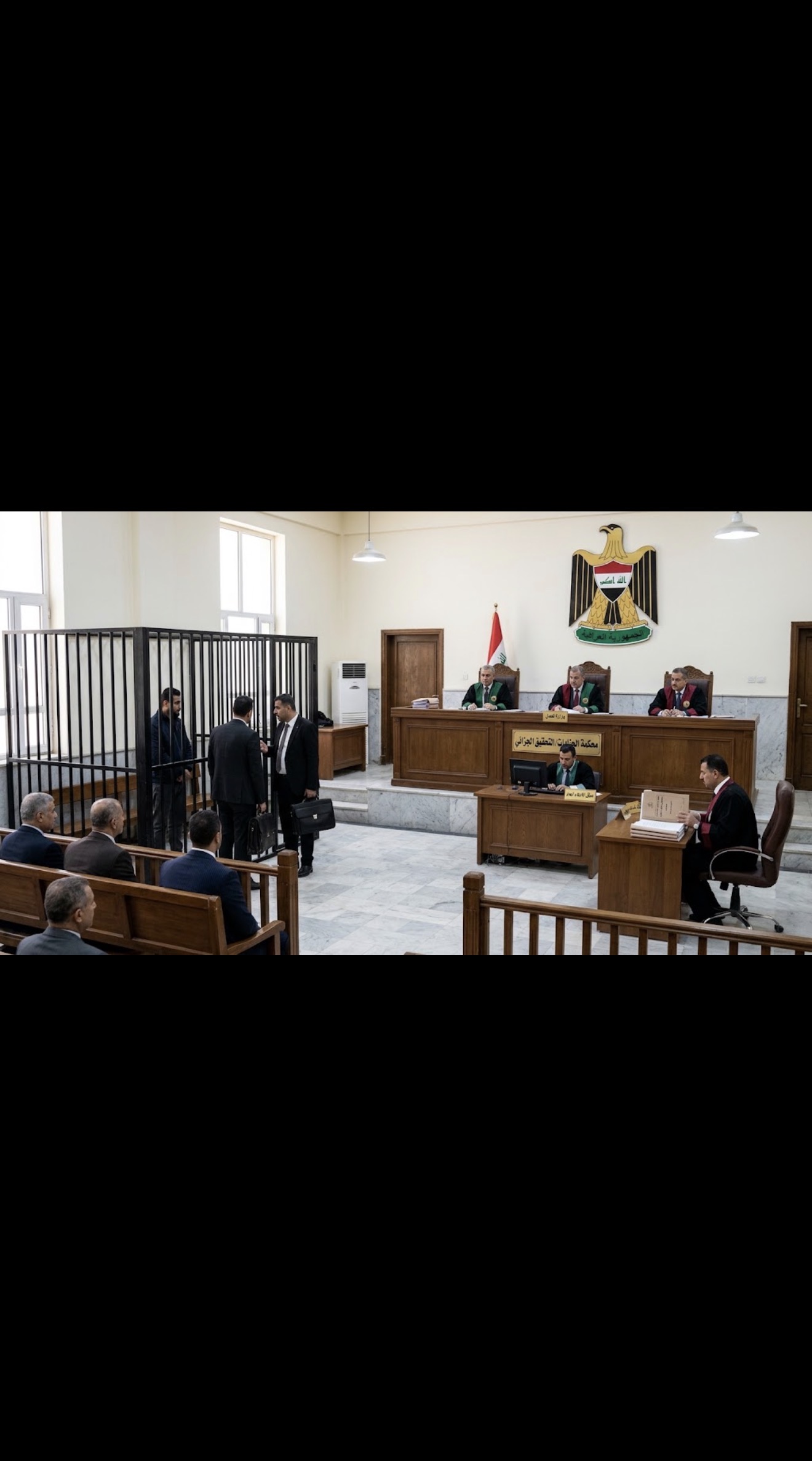
- Trial Stage Before the Competent Court: (Criminal Court, Misdemeanor Court, or Peace/Penal Court), where the lawsuit is presented publicly, and the litigants (Public Prosecutor, accused, and victim) are given the opportunity to present their defenses and arguments.
- Stage of Appeal and Judgments: Following the issuance of a conviction or acquittal judgment, it may be contested through various legal appeal methods such as appeal or cassation before the Federal Court of Cassation or the Courts of Appeal in their cassation capacity.
- Public Right vs. Private Right Public Right Lawsuit: Represented by the Public Prosecutor on behalf of society, aimed at punishing and deterring the perpetrator. It cannot be waived except in exceptional cases explicitly stipulated by law (such as reconciliation in certain minor crimes or the victim's waiver in complaint-based crimes). Civil Right Lawsuit: The injured party's claim for material or moral compensation for the harm suffered due to the crime. It can be filed subordinately alongside the criminal lawsuit before the criminal court or independently before the civil courts. Conclusion Criminal procedures serve as a shield for protecting human rights and a fundamental guarantee against the conviction of any innocent person, while simultaneously acting as a sword against perpetrators. Given the precision of legal deadlines, filing conditions, and appeal requirements within the Iraqi judicial system, it is always recommended to consult a specialized attorney immediately upon facing any dispute or procedure of a criminal nature to ensure the soundness of one's legal standing.